Plant Health Care
Tree Fertilization
The quality of the soil around a tree’s roots determines the health of the tree. Trees require nutrients to live and thrive. When one or more of these nutrients are deficient in the soil, the tree will not reach its full landscape potential, will be more susceptible to disease and insect problems, and will have a shorter life than a similar, well-fertilized tree.
Trees in urban and suburban environments are often under high stress conditions due to low moisture availability, soil compaction, physical damage, nearby construction, and competition from turf and nearby trees and shrubs. Fertilizer applications may reduce, but cannot eliminate, environmental stresses such as these. It is important to keep newly planted trees watered and pruned and to keep weeds away from their bases to avoid excess stress. The best indicator of whether fertilization is necessary is a soil test. Ideally, a soil sample should be taken every 3 to 5 years to determine whether any nutrients are lacking.
Proper fertilization is one tool arborists use to restore soil fertility, and help to reach the goal of a healthy tree root system. Red Cedar Arborists base recommendations for tree nutrition on soil analysis data. Call for a consultation including a soil analysis to see what is actually needed for your specific plant.
Mulching
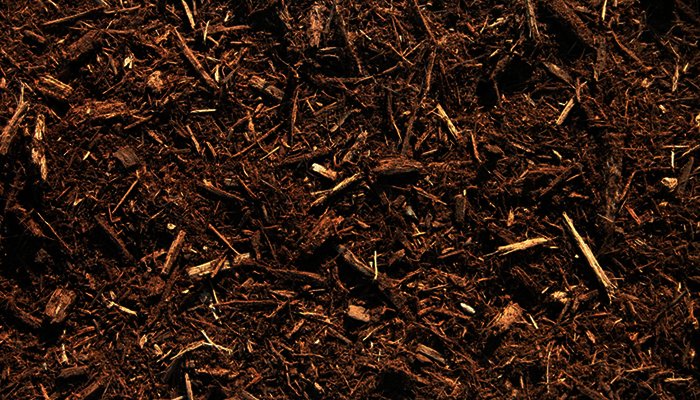
Trees growing in a natural forest environment have their roots anchored in a rich, well-aerated soil full of essential nutrients. The soil is blanketed by leaves and organic materials that replenish nutrients and provide an optimal environment for root growth and mineral uptake. Urban landscapes, however, are typically a much harsher environment with poor soils, little organic matter, and large fluctuations in temperature and moisture. Applying a 2- to 4-inch layer of organic mulch can mimic a more natural environment and improve plant health.
Mulches are materials placed over the soil surface to maintain moisture and improve soil conditions. Mulching is one of the most beneficial things a home owner can do for the health of a tree. Mulch can reduce water loss from the soil, minimize weed competition, and improve soil structure. Properly applied, mulch can give landscapes a handsome, well-groomed appearance. Mulch must be applied properly; if it is too deep or if the wrong material is used, it can actually cause significant harm to trees and other landscape plants.
Root Collar (Lower Stem) Care
Root collar excavation, or the removal of soil and mulch from against the trunk, is a simple, effective process that can correct deep planting and over-mulching. Can you see the root flare of your trees? This is the low portion of the trunk where it flares out into the roots. If a tree has symptoms of stress, such as reduced twig and leaf growth, off-color leaves, a thin crown, or die back, deep roots may be the problem if it lacks a well-developed root flare.
What can be done? Short of raising the tree by transplanting, root collar excavation is the only option available to treat an established tree with deep roots. Removing the soil from around the base of the tree provides better aeration to the soil and roots. Typically, soil is removed just wide enough to expose the root flare and create a slope that will keep the soil from falling back into the excavation. Air excavation tools are fast and minimize damage to roots. Red Cedar Arborists report good success revitalizing trees with root collar excavations.