Why Choose SavATree for Your Tree Care and Maintenance?
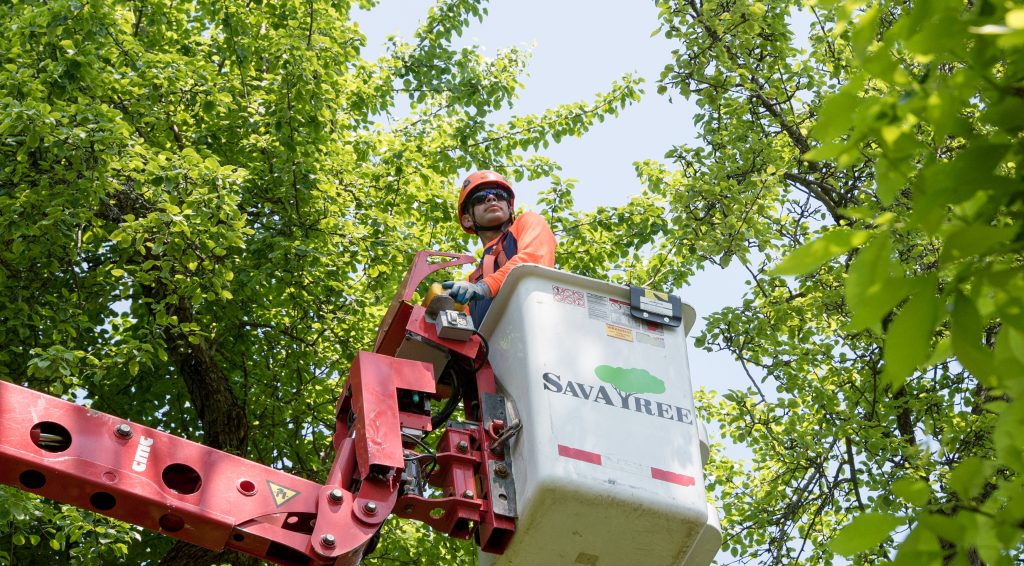
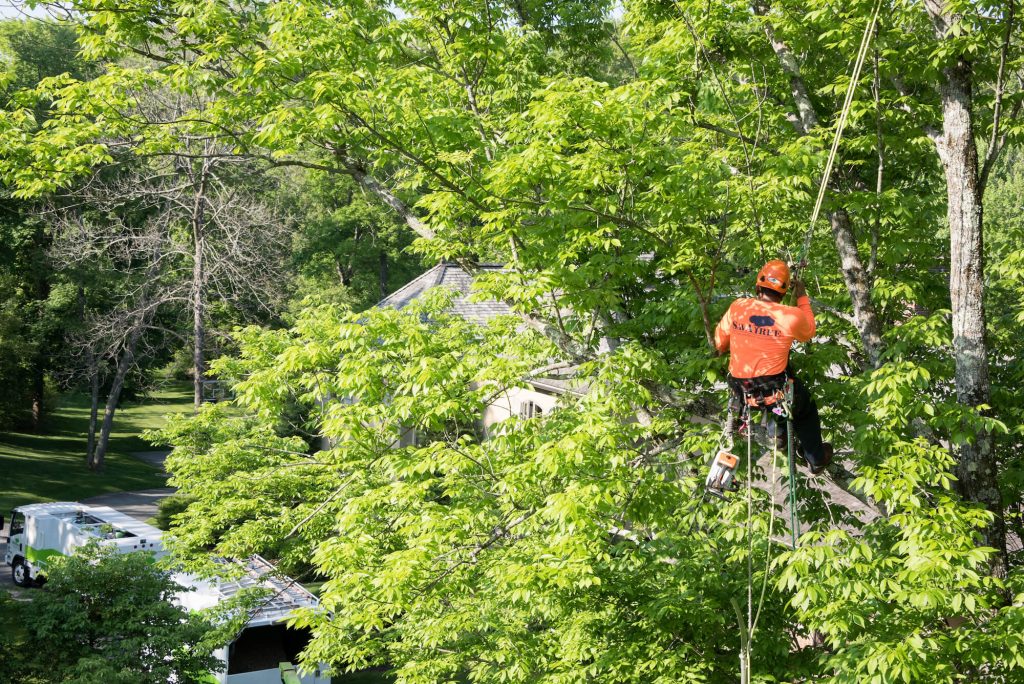
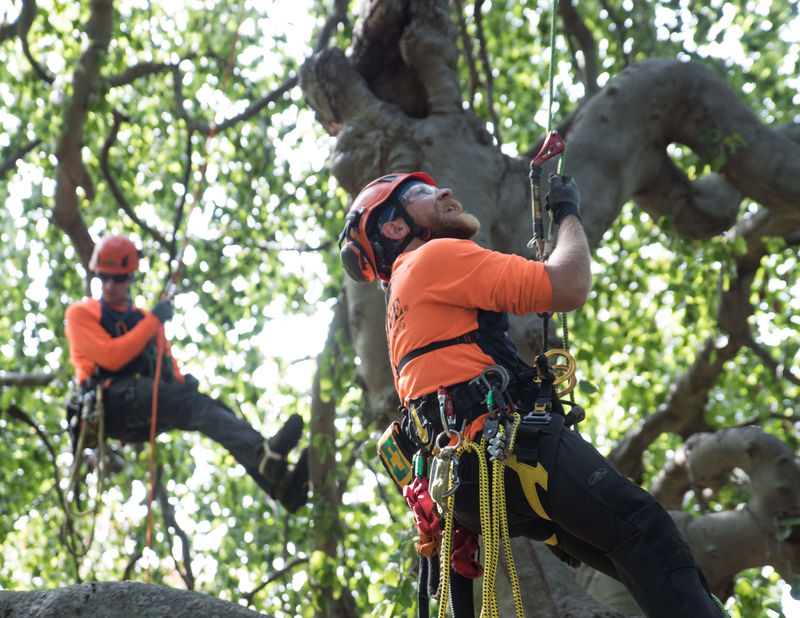
- We take tree care seriously. Your trees are as important to us as they are to you. We recruit the top professionals in the industry. Our ISA certified arborists and technicians have a thorough understanding of soil chemistry and plant biology, and receive continual training in the most progressive methods used to maintain the safety and health of trees.
- Quality and safety are our watchwords. Our arborists adhere to best practices and ANSI A300 tree care standards to ensure a safe and quality job. In fact, SavATree was the first multi-state tree care company in the U.S. to earn accreditation by the Tree Care Industry Association for adhering to the highest quality service standards, business ethics, and customer satisfaction. Our accreditations include:
-
- Tree Care Industry Association (TCIA) Accreditation
- International Society of Arboriculture (ISA) Certified Arborists
- State certification and licenses
- Full insurance coverage
- We use the best products available. SavATree is an industry in its use of advanced, innovative, and environmentally responsible plant health products. We offer several exclusive, patented nutrient and soil enhancement products developed with our university agroscience partners. We also conduct our own field-based trials to ensure all products we use on our clients’ properties deliver the strong results we want with the safety we demand.
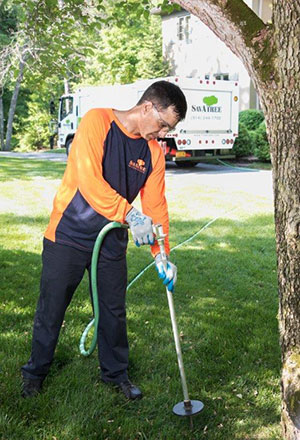
- We designed our own state-of-the-art application technology. We were unhappy with the imprecision and waste of the typical trucks, tanks, and nozzles available to the tree-care industry, so we designed our own. Our innovative, specially-designed vehicles and application devices give us the ability to deliver custom-tailored plant health treatment. We can create the precise blend of nutrients your trees need, achieve the best placement of those materials on the growing site, and apply only the amount required to get the job done.
- All SavATree service is customized The products and practices your arborist recommends are tailored to the unique needs of your trees and soil, the conditions of your property, and your preferences and priorities for your landscape.
- The SavATree Brand Promise. We are committed to your complete satisfaction. Should anything not be to your liking please let us know right away so we can make it right.